White kitchens
How to keep white warm rather than clinical — choosing the right white for NZ light, softening white-on-white with timber and texture, and the handle and finish choices that make it.
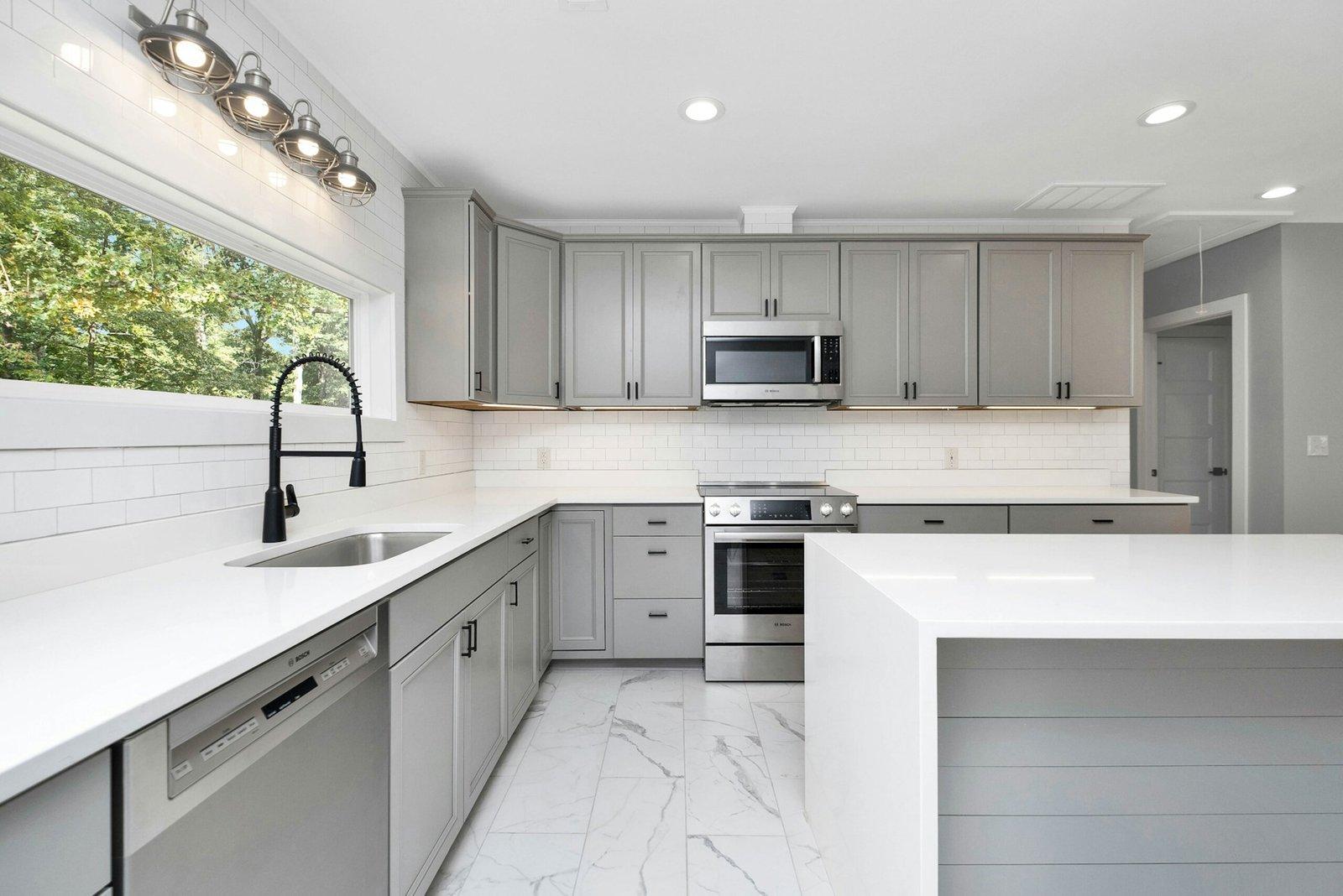
Get a free quoteWhite is the most popular kitchen colour in New Zealand, and the easiest to get slightly wrong. The best white kitchens feel warm, calm and timeless; the ones that miss feel cold and clinical. The difference isn't the amount of white — it's the shade of it, the texture around it, and the few warm touches that stop a white-on-white scheme from going flat.
Warm white or cool white?
Not all whites are the same. A warm white carries a hint of cream or warm grey and feels inviting; a cool white leans blue or grey and reads crisp and modern. The right choice depends on your room's light. New Zealand light shifts a lot — a south-facing or shaded room can make a cool white feel cold and grey, while the same white sings in a sun-filled north-facing space. We always test the white against your actual room, at different times of day, before you commit, because a sample chip under showroom lights tells you very little.
Texture is what warms white up
A flat, uniform white is what tips a kitchen clinical. The fix is texture, not colour:
- A benchtop with movement — veined or speckled stone — adds life a plain white bench never will.
- A textured or handmade-look splashback catches the light and breaks up the expanse.
- A shaker or grooved door face throws soft shadow lines across the white, giving it depth.
Wood and white
The surest way to warm a white kitchen is timber. A timber island, a run of open shelving, a veneer feature on the end of a run, or even timber handles brings instant warmth and stops the scheme feeling like a showroom. Wood and white is one of the most enduring combinations in kitchen design precisely because the timber softens the white and the white keeps the timber from feeling heavy — they balance each other.
Handles and hardware
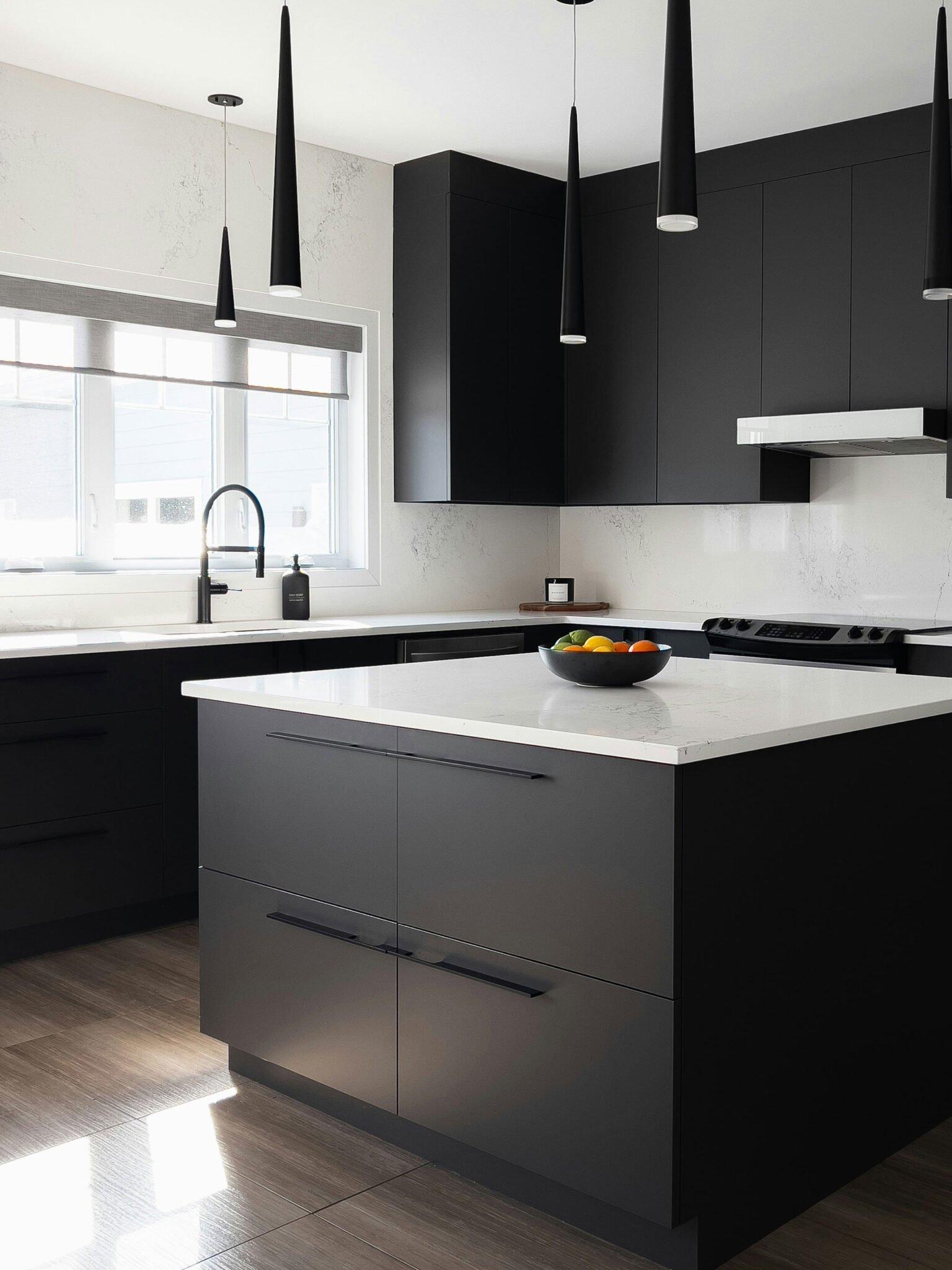
On a white kitchen the hardware does a lot of the talking. Black or gunmetal handles give a crisp, modern contrast; brass or bronze add warmth and a little luxury; a handleless, push-to-open front keeps it serene and minimal. It's the cheapest way to set the mood of a white kitchen, so it's worth choosing deliberately rather than by default.
The white finishes we fit most — and how they wear
- Satin / matte laminate: our most popular white. Hard-wearing, wipes clean, and hides fingerprints far better than gloss — the sensible choice for a family kitchen.
- Painted / lacquered: a smooth, furniture-grade finish with real depth, ideal on shaker doors. Beautiful, and worth protecting from knocks near high-traffic corners.
- Gloss white: bright and light-bouncing, perfect for making a small kitchen feel bigger — just know it shows smudges and asks for a quick wipe more often.
White, done properly
A white kitchen done well is the one that never dates — you shift its mood over the years with benchtop, splashback, handles and accents rather than replacing the cabinetry. If you're weighing white against something bolder, our kitchen colour ideas and two-tone kitchens guides are a good next read. When you're ready, we'll test the whites in your room, show it in 3D, and build it in our Rotorua factory — with a fixed written quote first.
Frequently asked questions
How do you stop a white kitchen looking clinical?
What's the difference between a warm white and a cool white?
Do white kitchen cabinets show marks easily?
Does timber work with a white kitchen?
Are white kitchens going out of style?
A white kitchen that feels warm, not clinical
We'll test the whites in your own light, pair the right benchtop and handles, and build it to the millimetre in our Rotorua factory — with a fixed written quote first.