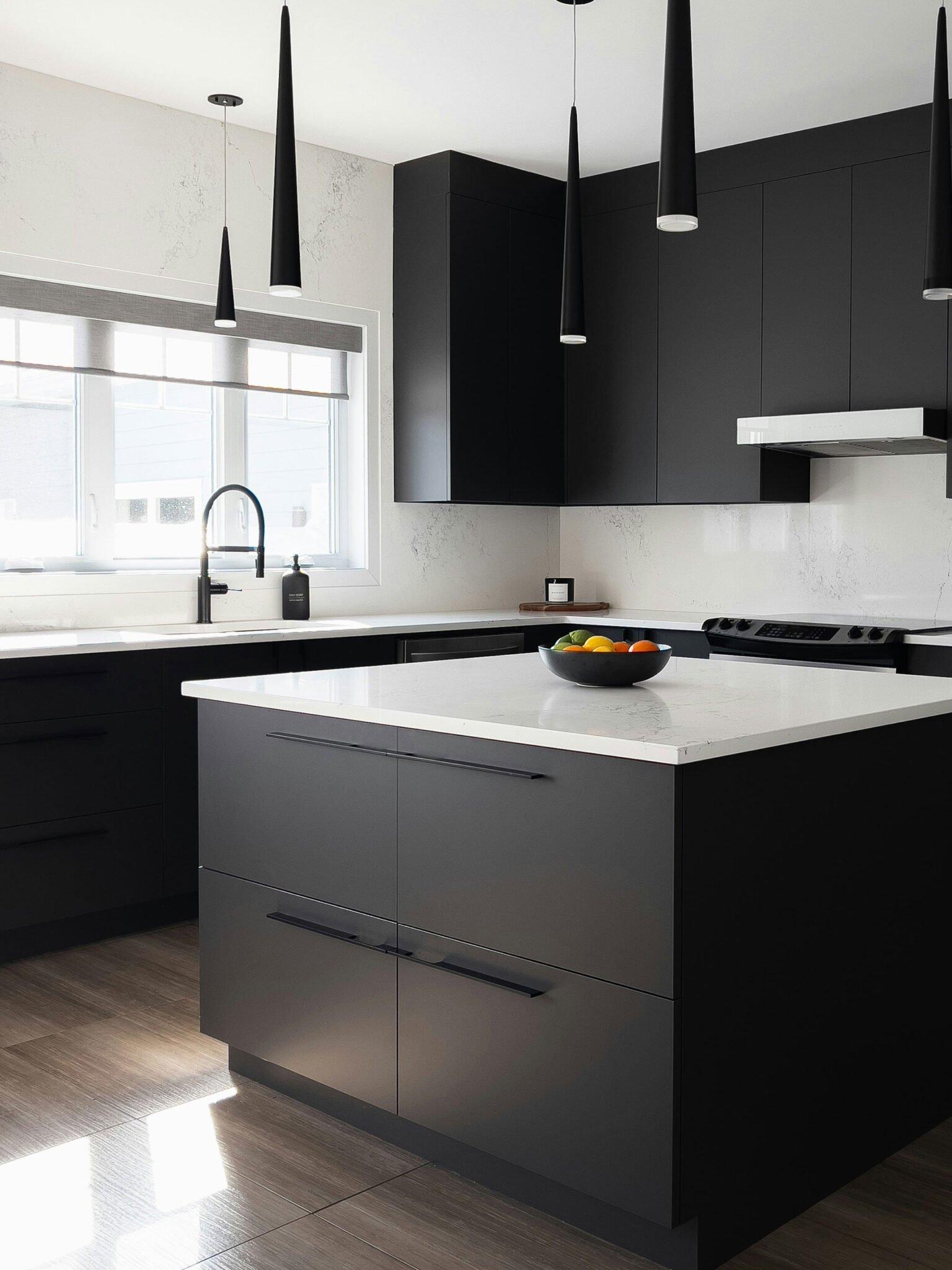
What is a scullery?
The hardworking little room behind the kitchen that keeps the main space calm and clutter-free — and why it's become a must-have in New Zealand homes.
Book a free design consultA scullery is a small second kitchen tucked behind the main one — a working room with a sink, bench space and usually extra storage and appliances. It's where the messy work happens: prep, washing up, draining dishes and stashing the toaster and kettle. The result is a main kitchen that stays tidy and looks sharp, even mid-dinner. Kiwis have embraced it as the everyday workhorse of the modern open-plan home.
Scullery vs pantry vs butler's pantry
These three terms get used interchangeably, but they aren't quite the same thing. A pantry is storage only — shelves and cabinetry for food and dry goods, with no plumbing. A scullery steps it up: a proper little workroom with a sink, bench and storage, built for doing the hard yards out of sight. A butler's pantry is really a scullery with a more refined brief — a presentation-and-service space, often with nicer finishes, glassware storage and a spot for plating up before guests see it.
In everyday New Zealand usage, "scullery" and "butler's pantry" are often the same room with a different name. If you want the practical detail, see our guide to the differences between a scullery and a butler's pantry.
What goes in a scullery?
A good scullery earns its keep. Most of the ones we build in our Rotorua factory include some mix of the following:
- A sink — often the main washing-up sink, so the big one in the kitchen island stays clear.
- Generous benchtop for prep, landing groceries and spreading out when you're cooking for a crowd.
- Open shelving and cabinetry for dry goods, small appliances and overflow crockery.
- Power points along the bench for the kettle, toaster, coffee machine and air fryer — the "appliance parking".
- Sometimes a second oven, dishwasher, microwave or bar fridge, depending on how you cook and entertain.
The pros
The main draw is a kitchen that always looks presentable. With the prep and the mess happening behind the scenes, the visible kitchen can be clean-lined and uncluttered — which matters in open-plan living where the kitchen is part of the lounge. A scullery also adds real workspace and storage, keeps appliances off your good benches, and gives you somewhere to hide the dirty dishes when people drop in.
The cons
A scullery takes floor area — space that has to come from somewhere, so it suits new builds and larger renovations better than tight cottages. It adds cost through extra cabinetry, benchtop and often a second lot of plumbing. And a poorly planned scullery can become a dumping ground if there isn't enough considered storage. Good design is what makes the difference between a scullery you love and one that just collects clutter.
What does a scullery cost in NZ?
As a ballpark, a simple scullery added as part of a kitchen renovation typically starts around $8,000–$12,000 for cabinetry, benchtop and a sink, and climbs from there with stone benchtops, extra appliances and more plumbing — a fuller, appliance-rich scullery can sit in the $15,000–$25,000+ range. Because every one is custom, the honest answer depends on size and spec. We give you a clear fixed quote up front. For a full breakdown, see our guide to how much a scullery costs in NZ.
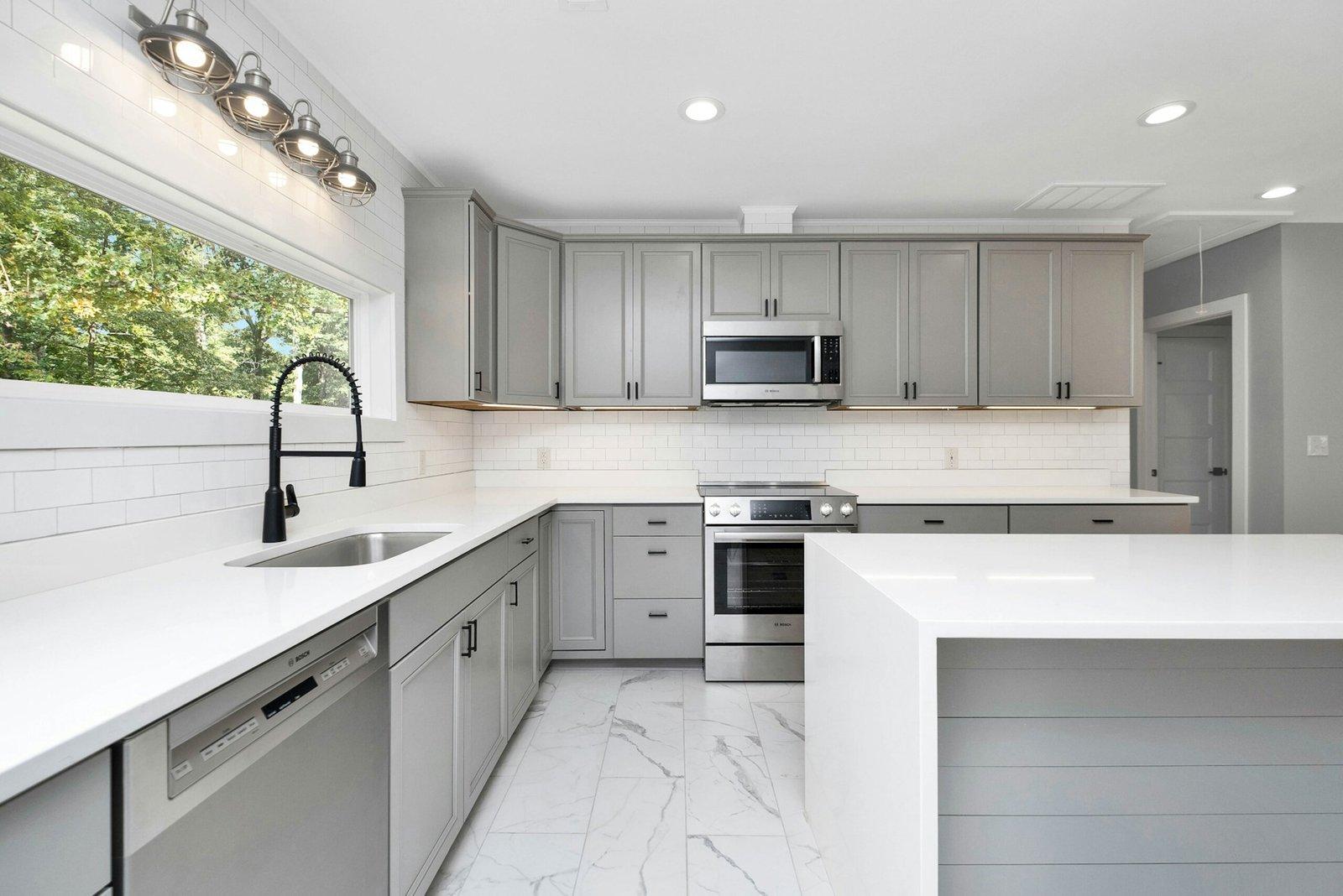
A New Zealand favourite in the open-plan home
Open-plan living is the default in New Zealand homes, and that puts the kitchen on permanent display. The scullery is the clever answer: a back-of-house space that absorbs the mess so the front stays beautiful.
We design and build every scullery in our own Rotorua factory, so it fits your home, your appliances and the way you actually cook — fitted across Rotorua, Hamilton, Cambridge and the wider Waikato.
Frequently asked questions
Is a scullery the same as a pantry?
How much room do you need for a scullery?
Do sculleries add value to a home?
Can you add a scullery to an existing kitchen?
Contact us to transform your kitchen experience
Kitchen Beyond is where your dream kitchen becomes reality — expert planning, quality craftsmanship and a seamless install, all from our own Rotorua factory.