Kitchen splashback ideas & materials
The splashback is where your kitchen gets its personality. Here are the materials and ideas worth considering, and how to choose the right one for your space.
Book a free design consultA splashback protects the wall behind your bench and hob while setting the tone of the whole kitchen. The main choices in NZ are tile, glass, stone or porcelain, stainless steel and acrylic. Tile offers the most variety and value; stone gives a seamless premium look; glass and acrylic are the easiest to clean. Behind the hob, it must be heat-resistant and meet appliance clearances.
Tiled splashbacks
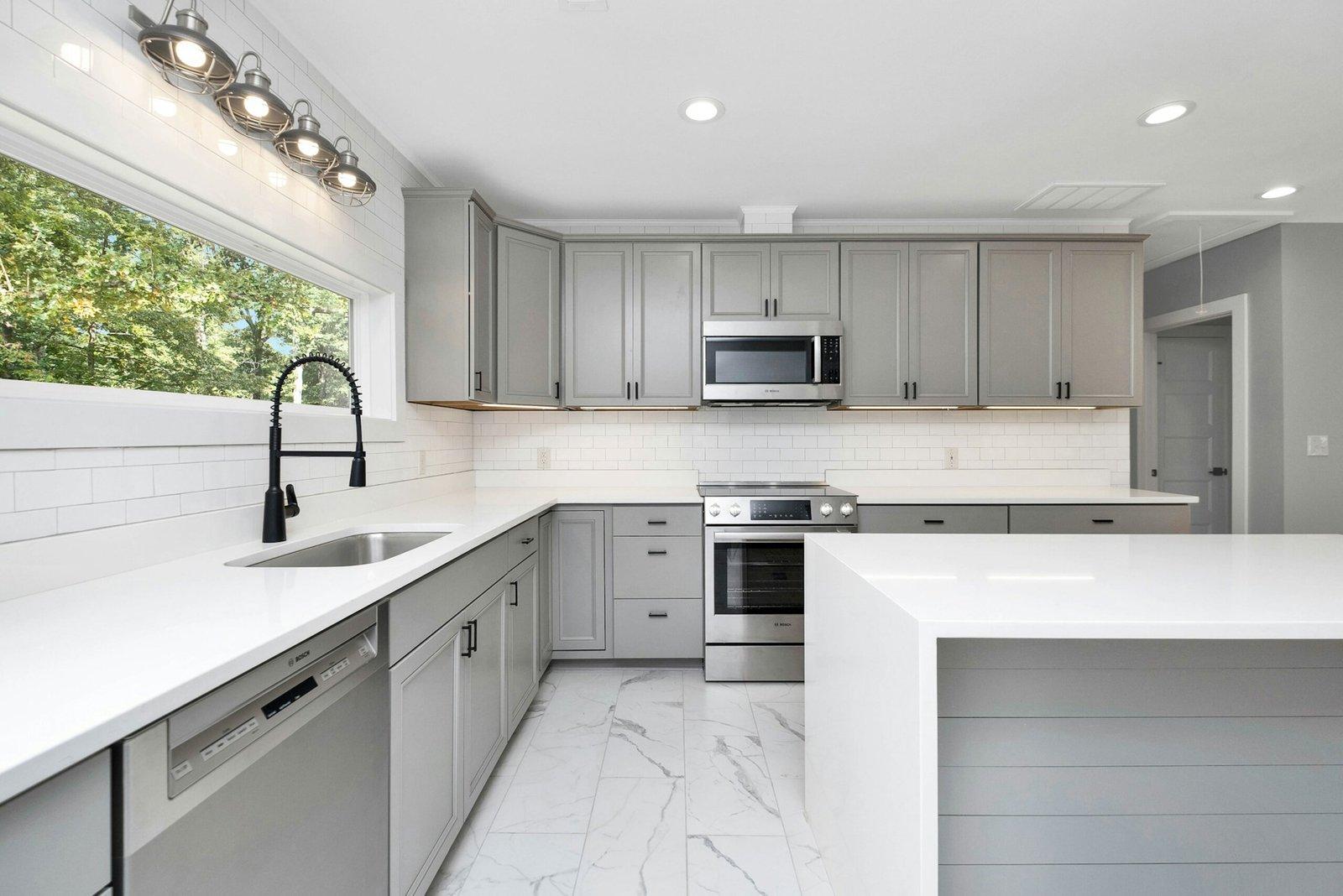
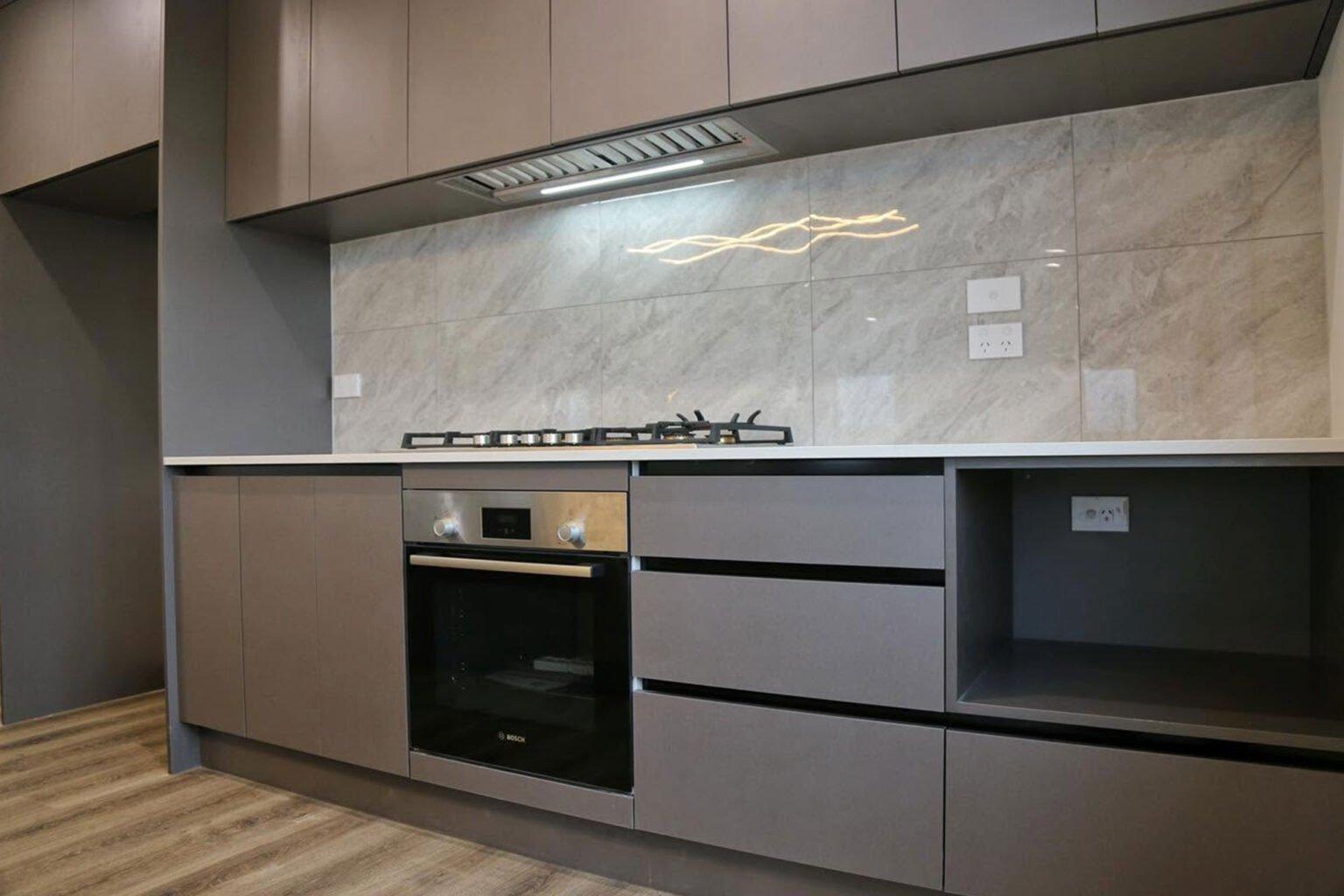
Still the most popular and most versatile option. Classic white subway tiles suit nearly any kitchen; handmade-look ceramics, zellige and fish-scale shapes add texture and craft; and large format tiles reduce grout lines. You can get real character for a modest spend, and the choice of grout colour lets you keep it clean and crisp or make the pattern a feature. The one maintenance point is the grout, which needs occasional attention behind the cooktop.
Stone & porcelain splashbacks
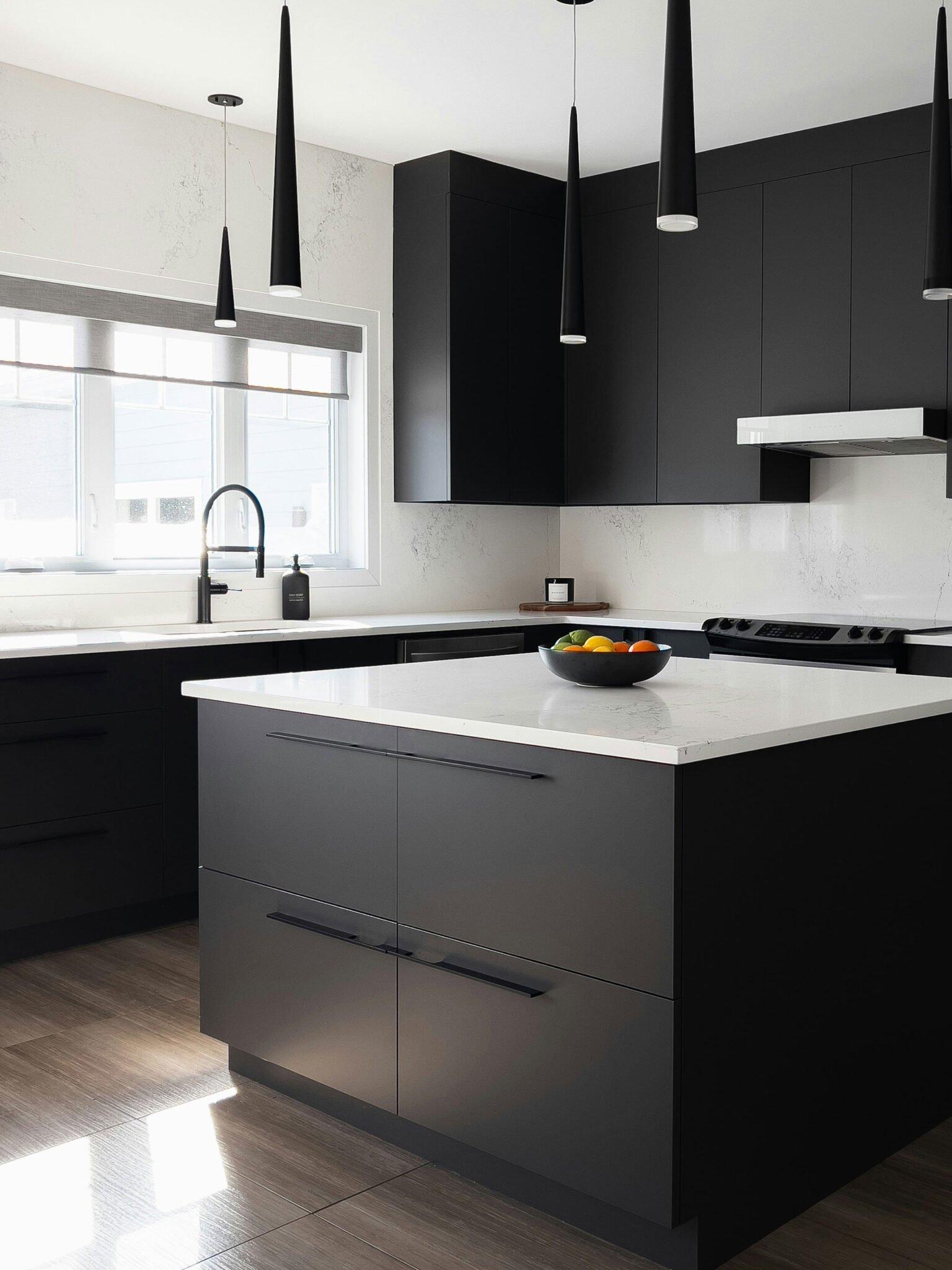
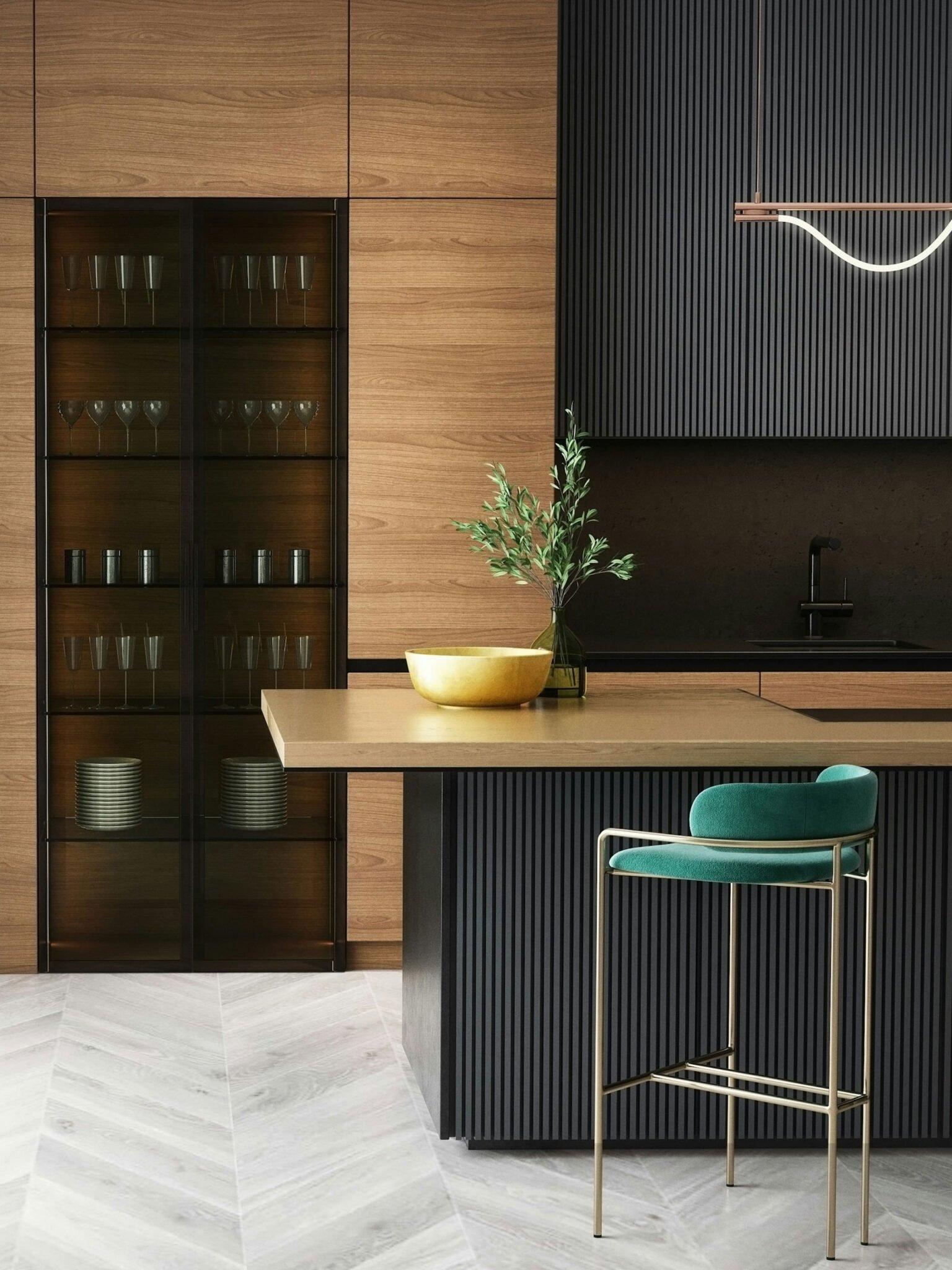
Running your benchtop material up the wall — as a low upstand or full height behind the hob — creates a seamless, luxurious look with no grout to clean. Engineered stone, porcelain and natural stone all work. It’s the premium choice and priced accordingly, but it’s hard to beat for a calm, high-end finish, especially with dramatic veining as a backdrop to the kitchen.
Glass splashbacks
Toughened glass gives a sleek, grout-free, easy-wipe surface. It can be coloured to any shade, left clear over a painted wall, or printed with a design. Glass bounces light around, which brightens darker kitchens, and it’s a favourite behind the hob for its seamless, hygienic finish.
Acrylic splashbacks
Acrylic panels offer a similar seamless, glossy look to glass for less, and they’re lighter and simpler to install. They come in a wide range of colours and finishes. The catch: acrylic isn’t heat-proof, so it can’t go directly behind a gas or high-output hob and needs a tile or glass section there instead.
Stainless steel splashbacks
For a professional, chef’s-kitchen look — and the ultimate behind a serious cooktop — stainless is heat-proof, hygienic and effectively permanent. It suits industrial and scullery styling and pairs naturally with stainless appliances.
Choosing the right one
Think about the look you’re after, how much cleaning you want to do, your budget, and the rules behind the hob. A common, smart approach is to mix: a grout-free stone or glass section behind the cooktop with tiles elsewhere, or vice versa. When we design your kitchen in our Rotorua studio we’ll help you land on a splashback that ties the benchtop, cabinetry and the rest of the room together.
Splashbacks in our kitchens
Frequently asked questions
What is the most popular kitchen splashback in NZ?
Can I run my benchtop up the wall as a splashback?
Do I need a splashback behind the hob?
What is the easiest splashback to keep clean?
Contact us to transform your kitchen experience
Kitchen Beyond is where your dream kitchen becomes reality — expert planning, quality craftsmanship and a seamless install, all from our own Rotorua factory.