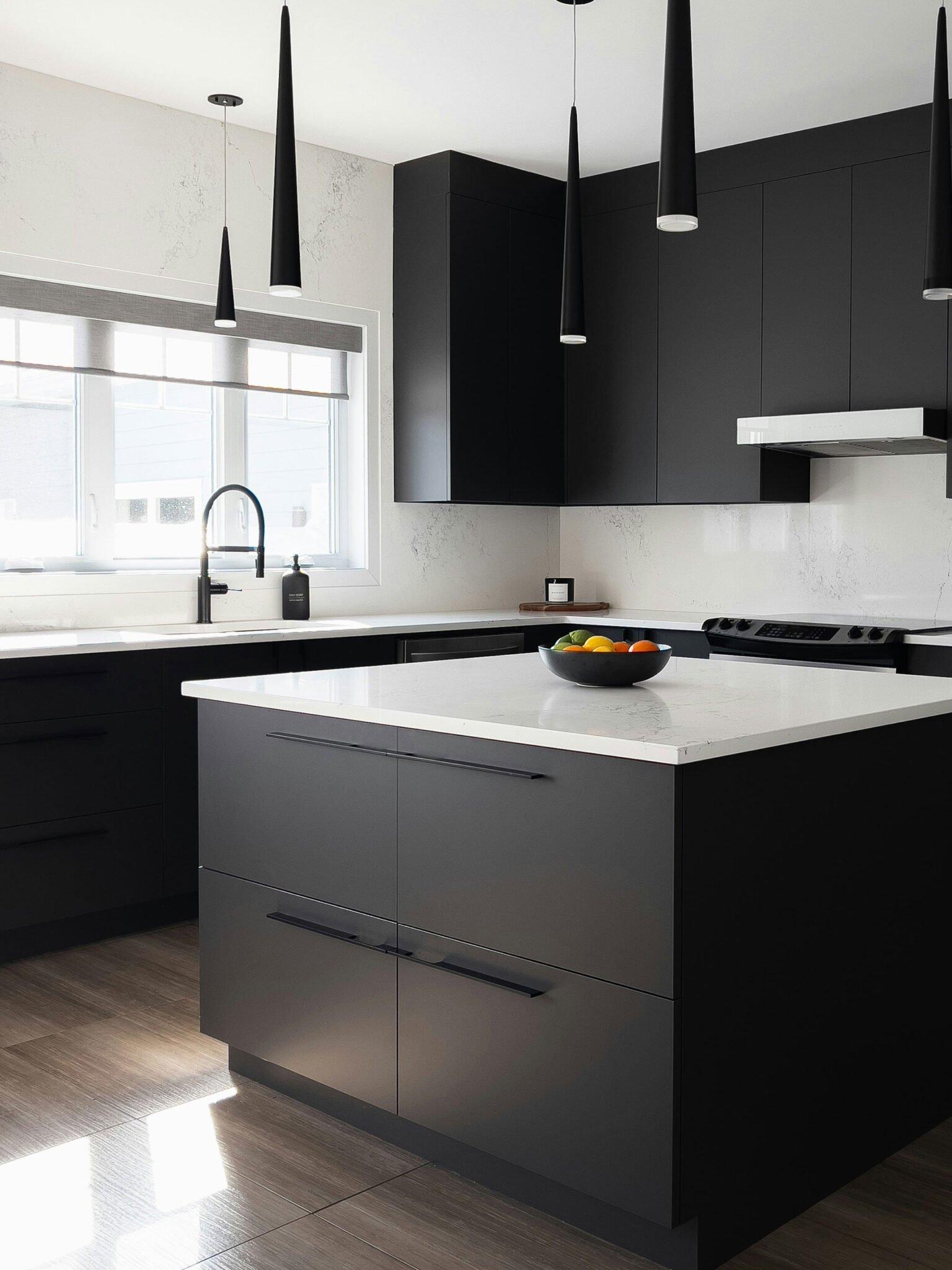
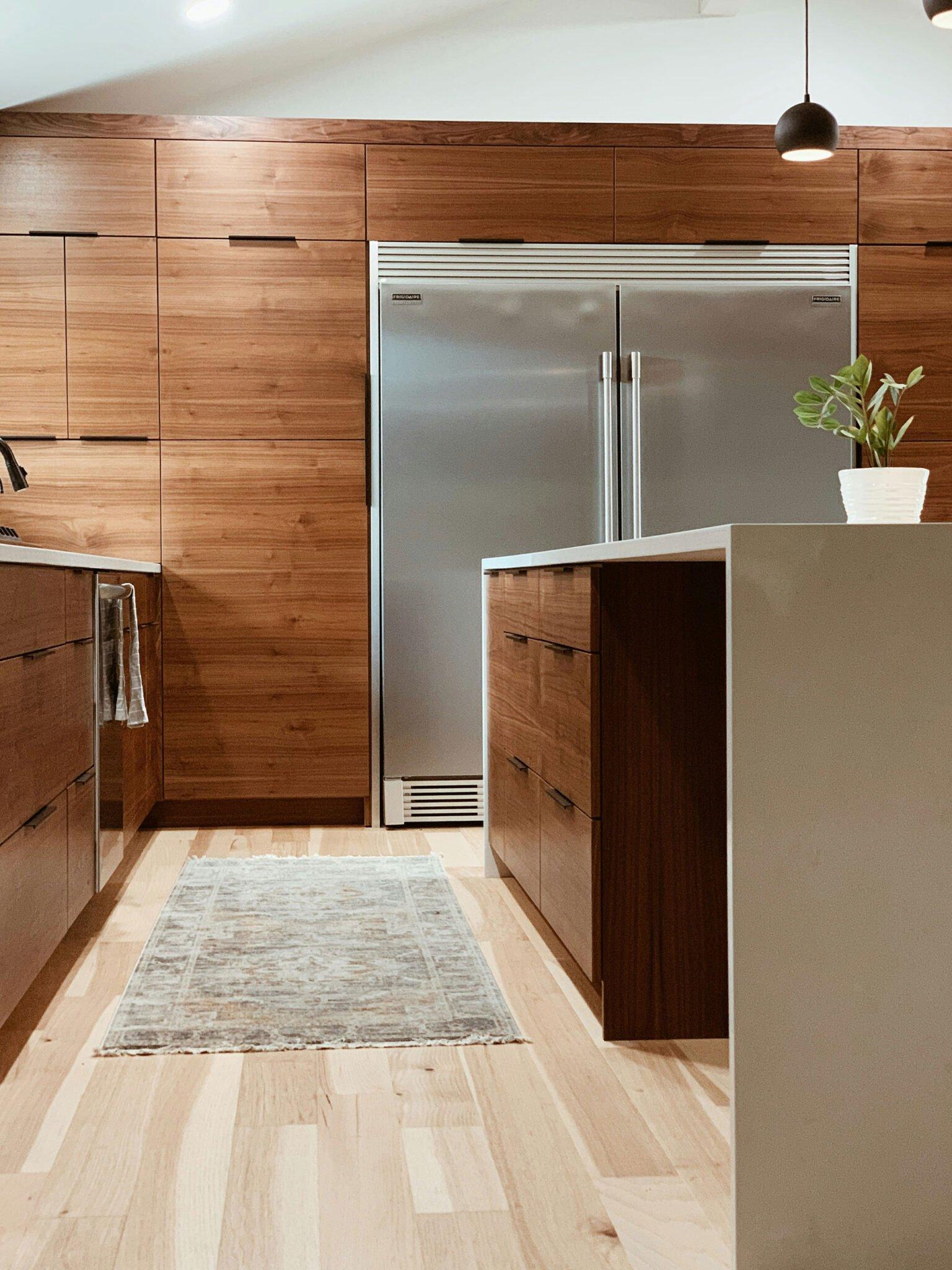
Does a new kitchen add value to your home?
The kitchen is one of the rooms buyers judge a house on. Here's the honest NZ picture — what adds value, the spend-to-value sweet spot, and how to avoid pouring money in where it won't come back.
Get a free quoteShort answer: yes, a good kitchen usually adds value — but not as a fixed percentage you can bank. Agents and valuers in New Zealand consistently put the kitchen among the rooms that most sway a sale, alongside the bathrooms. The size of the gain depends on your home's price band, the quality of the work, and how dated the old kitchen was. The real skill is spending where it pays back and stopping before you over-capitalise.
What buyers actually notice
Walk a buyer through a home and the kitchen is where they linger. They read it fast: does the layout make sense, is there enough bench and storage, do the benchtops and cabinetry look current, is it move-in ready or a job waiting to happen? A scullery or a proper pantry lands strongly because it signals a kitchen that works. The things that read as "I'd have to redo this" are what cost you at the negotiating table.
The spend-to-value sweet spot
Value is strongest when you lift a clearly dated kitchen up to the standard of the home and the street — that's where a tired kitchen is dragging an otherwise good house down, and fixing it unlocks the most. A sensible, widely used rule of thumb is to keep the kitchen spend proportionate to the home's value, so a higher-value home can justify a higher-spec kitchen, and a modest home shouldn't carry a top-tier one. Our renovation cost guide gives indicative bands to anchor the maths.
How to avoid over-capitalising
- Match the kitchen to the home's price band and the street, not to a dream board.
- Keep the big, expensive elements — layout, cabinetry, benchtop — timeless, not trend-locked.
- Avoid highly personal or over-themed choices the next owner has to undo.
- Spend where buyers look (layout, storage, benchtops, light) before where they don't.
- If the bones are good, a makeover may return more than a full rebuild — be honest about which you need.
Which upgrades pay back
The upgrades that consistently appeal: a sound modern layout with a good work triangle, quality benchtops, generous storage, a scullery or decent pantry, clean current cabinetry, and good lighting. These read as move-in ready to the widest pool of buyers. The ones that pay back least are the deeply personal flourishes — a bold feature colour, an unusual layout, a very of-the-moment finish — because they narrow your buyers rather than widen them.
Value for resale vs value for living
One honest caveat: if you're selling soon, lean toward broad appeal and proportionate spend. If you're staying for years, the kitchen's biggest return is the daily pleasure of using it — and a well-built kitchen also protects the home's value by not becoming the dated room that pulls it down later. Both are real returns; just be clear which one you're buying. Not sure whether to refresh or replace? Our makeover vs new kitchen guide walks through it.
Rotorua and Hamilton buyers
Local buyers are practical. Across Rotorua and the Waikato, what moves the needle is a kitchen that clearly works for family life — honest storage, a bench that seats the kids, a scullery or decent pantry, and finishes that look fresh without shouting. Buyers here are quick to spot a kitchen that's been done on the cheap, and equally quick to discount a house that needs one redone. A solid, well-built kitchen that suits the home does two jobs at once: it draws more interest at open homes, and it removes the "we'd have to redo the kitchen" line from a buyer's mental maths. That's value, even before anyone names a figure.
Build it to add value, honestly
We'll give you a straight read on what's worth doing for your home and your plans — whether that's a full custom kitchen or a smarter, lighter refresh — and back it with a fixed written quote. Designed, made and installed by one team from our Rotorua factory, for homes across Rotorua and the Waikato.
Frequently asked questions
Does a new kitchen add value to a house in NZ?
How much value does a new kitchen add?
What is over-capitalising on a kitchen?
Which kitchen upgrades pay back best?
Explore more
Thinking about value as well as the kitchen?
We'll give you a straight read on what's worth doing for your home and your plans, then design, make and install it from our own Rotorua factory with a fixed written quote.